




 Share
Share
15 Dec 2025
Why Buildings Need Continuous Recommissioning
Most building owners assume that if the Building Management System (BMS) is running, the building is under control. In reality, many BMS systems are still operating to design parameters set years, and sometimes decades, ago.
Since then, buildings often change dramatically. Refurbishments, new layouts, new tenants, revised operating hours, updated equipment, and evolving comfort standards all alter how a building actually needs to perform. Yet the BMS is rarely updated to reflect these changes.
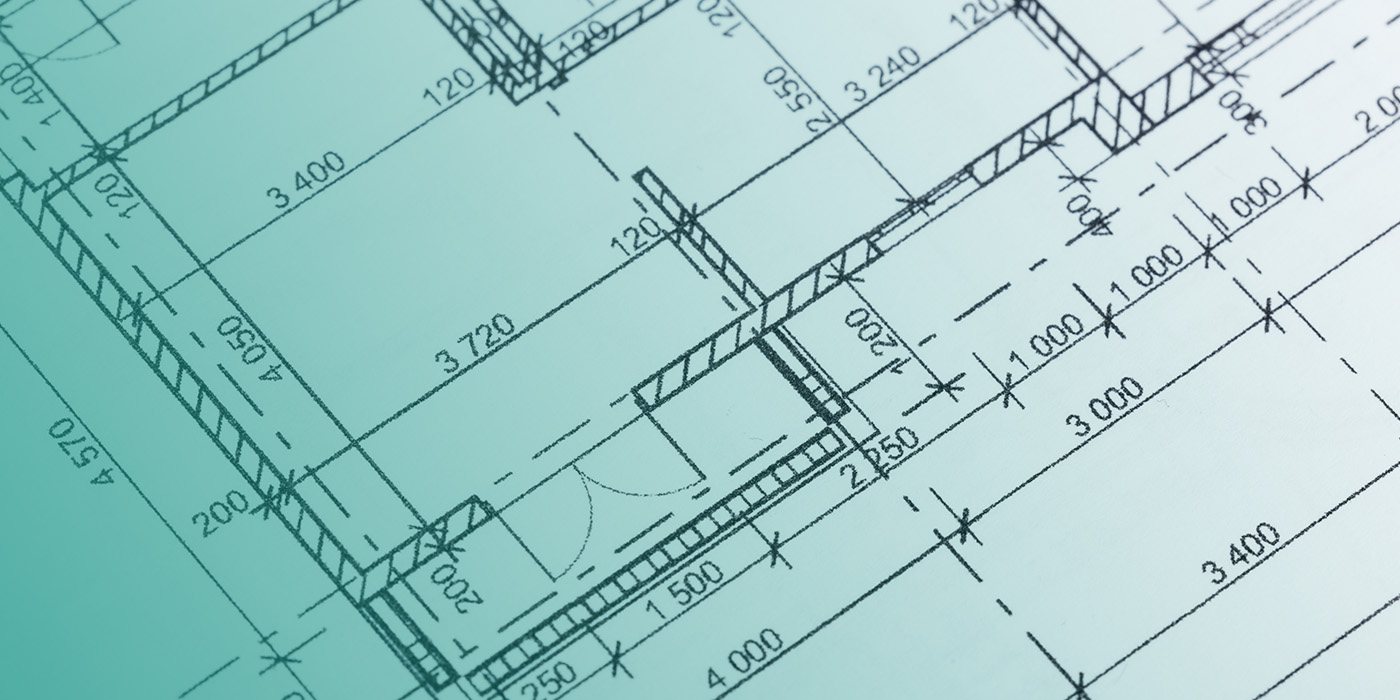
Why layout changes and refurbishments trigger the need for BMS Recommissioning.
Why Changes Break the Original Design Intent
When a building is first commissioned, the BMS is configured for a specific layout, occupancy profile, and mechanical plant. Over time, however:
Each of these changes chips away at the original design intent. This creates misalignment between how the building operates today and how the BMS still believes it should operate.
The result is wasted energy, poor comfort, increasing maintenance issues, and equipment running harder than necessary.

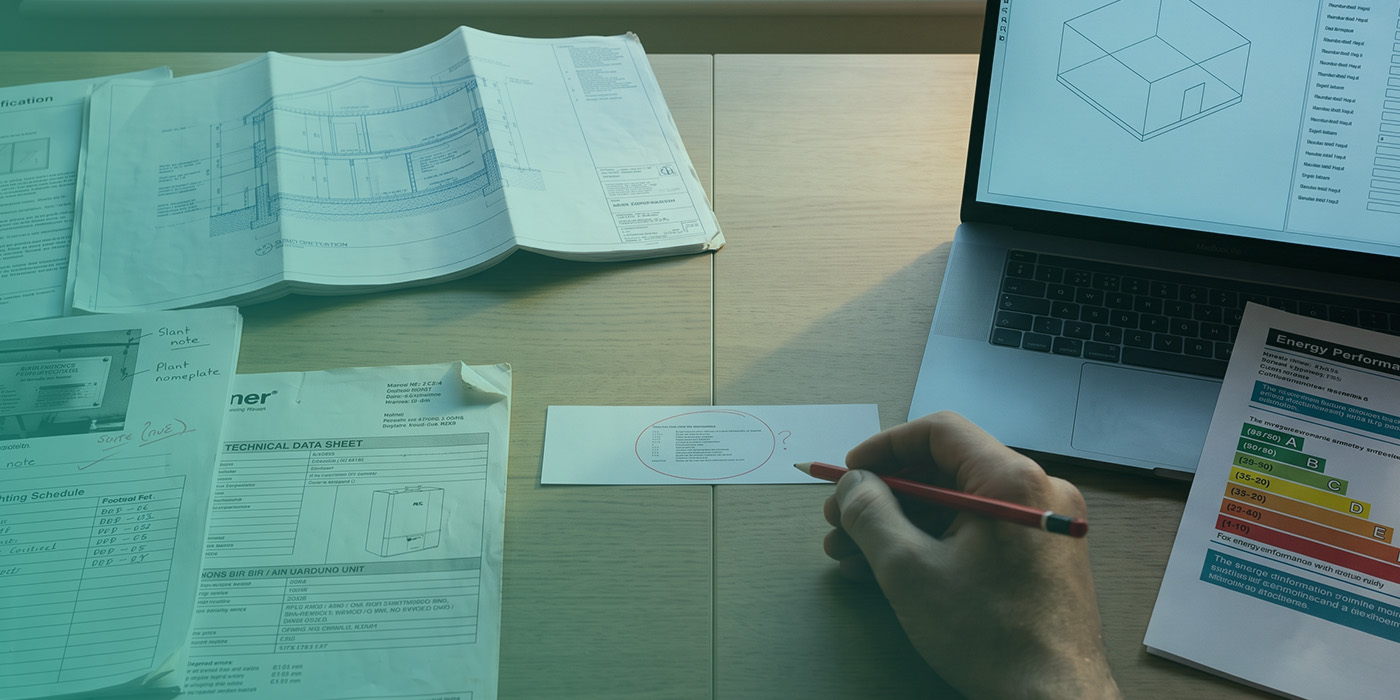
Why multi occupied buildings are most at risk without regular BMS Recommissioning.
Why Multi Occupied Buildings Are Most at Risk
Multi tenanted buildings face even greater challenges because change happens continuously:
The critical issue is this.
Tenant alterations often happen in isolation, with little or no review of how these changes affect the BMS once works are completed.
This can create:
In multi occupied spaces, a single tenant’s changes can have a cascading effect across an entire floor, or even the whole building, if the BMS is not updated to reflect the new layout.
This is why post fit out BMS verification should be a standard requirement on every tenant project. In practice, it is often overlooked.

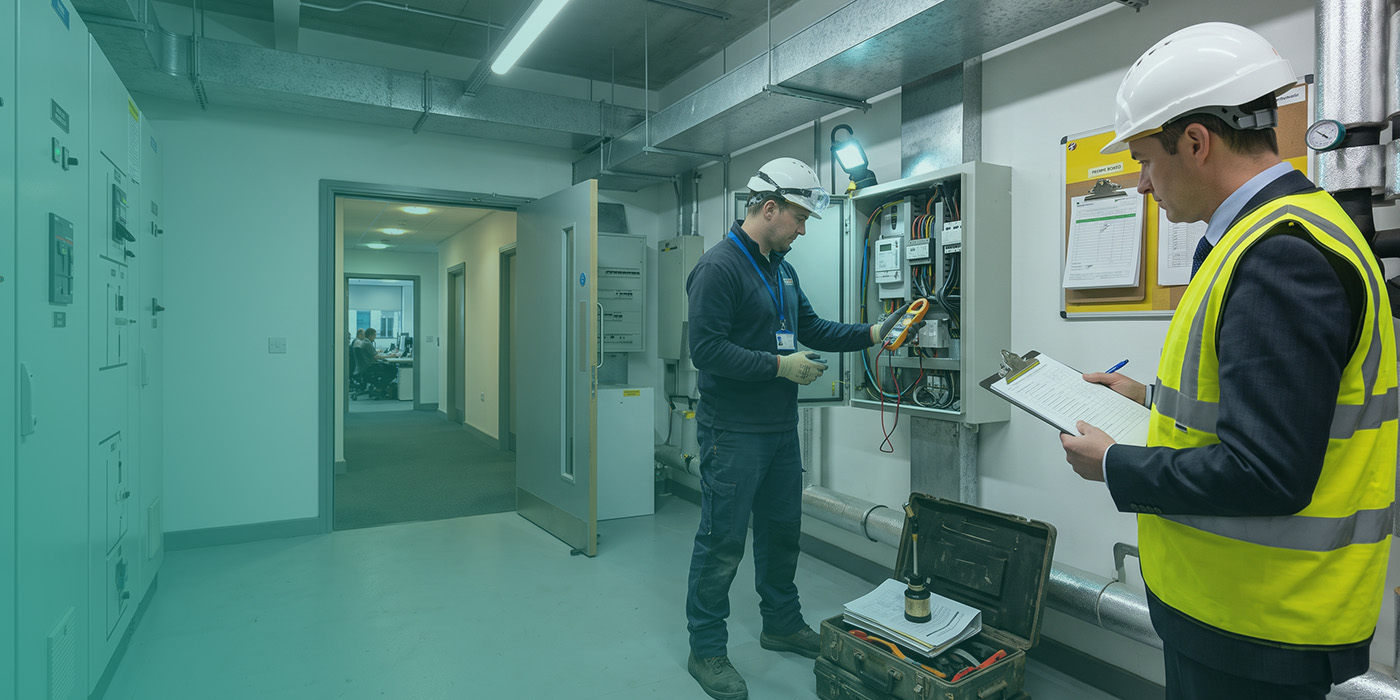
BMS Recommissioning puts the building back into balance by realigning control logic and system performance.
Recommissioning: Putting the Building Back Into Balance
Continuous recommissioning realigns the BMS with the building’s current reality. It ensures that:
This is not a one off exercise. It should form part of ongoing building management, particularly in buildings where tenants and operations change frequently.

BMS Recommissioning goes beyond routine maintenance by reassessing how the building actually operates.
The Problem With Typical BMS Maintenance Contracts
Many organisations assume their BMS is being properly managed because they have a maintenance contract in place. The reality is different.
BMS maintenance contracts usually ensure that components work, not that the system operates efficiently.
Contracts typically cover:
They do not usually address:
As a result, buildings continue operating with outdated logic and unnecessary energy consumption.

BMS Recommissioning reveals hidden financial savings locked within existing building systems.
The Savings Hidden in Your BMS
When Inteb carries out recommissioning and optimisation beyond basic maintenance, we typically identify:
15 to 50 percent savings in HVAC energy costs
These savings come from:
In many cases, no new hardware is required. Better control delivers the results.

BMS Recommissioning supports continuous improvement by keeping building systems aligned with real world operation.
Why Continuous Recommissioning Matters More Than Ever
Modern buildings are dynamic, and their control systems must keep pace. Recommissioning delivers:
If your building has changed significantly but the BMS has not been reviewed, it is almost certainly wasting energy and costing more than it should.

BMS Recommissioning provides clarity and control for building owners, managing agents and occupiers.
How Inteb Supports Building Owners, Managing Agents and Occupiers
At Inteb, we ensure your BMS reflects how your building is operating today, not how it operated years ago and not how it was originally designed.
We work with asset managers, facilities teams, and occupiers to bridge the gap between building change and building control.
Our engineers combine deep controls expertise, HVAC engineering knowledge, and energy management insight to deliver improvements that translate directly into comfort, carbon reduction, and cost savings.
Our services include:
BMS performance audits and root cause fault detection
Identifying where systems have drifted, what is underperforming, and why.
BMS health checks, including:
• Sensor and control validation surveys to confirm devices are accurate, calibrated, and correctly located after layout changes
• Time schedule and set point optimisation to align operation with real usage patterns and updated occupancy
Trend data analysis and energy reporting
Turning raw data into insights that highlight inefficiencies, faults, and optimisation opportunities.
Continuous optimisation and operator support
Providing ongoing adjustments, performance checks, and engineering guidance to keep the BMS aligned with evolving building conditions.
Whether it is a single office refurbishment, a tenant fit out, or a multi phase redevelopment, Inteb ensures your BMS keeps pace with the building. Not the old drawings, not outdated assumptions, and not the original commissioning logic.

BMS Recommissioning connects building performance data to comfort, carbon reduction and cost control.
The Bigger Picture: Comfort, Carbon and Cost
Optimising your BMS after refurbishment is not just about avoiding hot and cold complaints. It delivers fundamental improvements across the entire building operation:
Comfort and wellbeing
Stable temperatures, consistent airflow, and fewer issues across all zones.
Energy efficiency
Real savings without capital expenditure, achieved through smarter control.
Asset longevity
Reduced cycling, fewer breakdowns, and longer equipment life.
Compliance and reporting
Accurate data that supports ESG, Net Zero, and landlord and tenant reporting requirements.
Every refurbishment, reconfiguration, or tenant change is an opportunity to realign the BMS, refresh control strategies, and unlock new efficiency gains.

Have more questions about BMS Recommissioning? Expert support helps turn insight into action.
Final Thoughts
Buildings evolve, sometimes gradually and sometimes dramatically, but the BMS often remains unchanged.
Without ongoing optimisation, even the most advanced systems become disconnected from the environment they are meant to manage.
A modest investment in recommissioning today can prevent years of hidden inefficiency, unnecessary energy consumption, and avoidable plant stress.
If your building has recently undergone tenant changes, layout modifications, or operational shifts, now is the time to ask:
When was our BMS last recommissioned?
Book your BMS health check today: weareinteb.co.uk/contact

View
View

View

View
View

View

