




 Share
Share
A well optimised Building Management System is one of the most effective tools for improving energy efficiency, maintaining occupant comfort and strengthening operational resilience. Despite this, many organisations still treat the BMS as a one size fits all solution. This approach quietly wastes thousands of pounds every year.
The reality is simple. Not all buildings behave the same.
A control strategy that works perfectly in a modern office will not deliver the same results in a logistics warehouse, a laboratory or a hospital. Each building type has its own environmental needs, occupancy patterns and energy challenges, which means its BMS must be designed, maintained and optimised in a way that reflects those differences.
There is also an important distinction that many property managers are unaware of. Most M and E service providers are contracted to focus on maintenance, not optimisation. In practice, this means they are responsible for:
They are not incentivised to:
An independent specialist is.
At Inteb, we support clients across every sector by rethinking and reconfiguring their control strategies so that the BMS aligns with real world operations, not assumptions from outdated commissioning.
This guide explores how different building types place different demands on a BMS, the common performance pitfalls we see and where regular optimisation can deliver significant savings and comfort improvements.

Digital analysis demonstrating how BMS Optimisation delivers smarter maintenance, improved conservation, and stronger building performance.
Independent reviews save real money
A targeted BMS audit often reveals improvements that traditional maintenance providers overlook. Typical outcomes include:
Return on investment is often measured in weeks, not months.
Understanding the conflict of interest
If your M and E contractor is also in control of your BMS, there is an inherent conflict. Their priority is maintaining the building. An independent specialist focuses on protecting your energy budget and identifying optimisation opportunities that reduce operational costs.
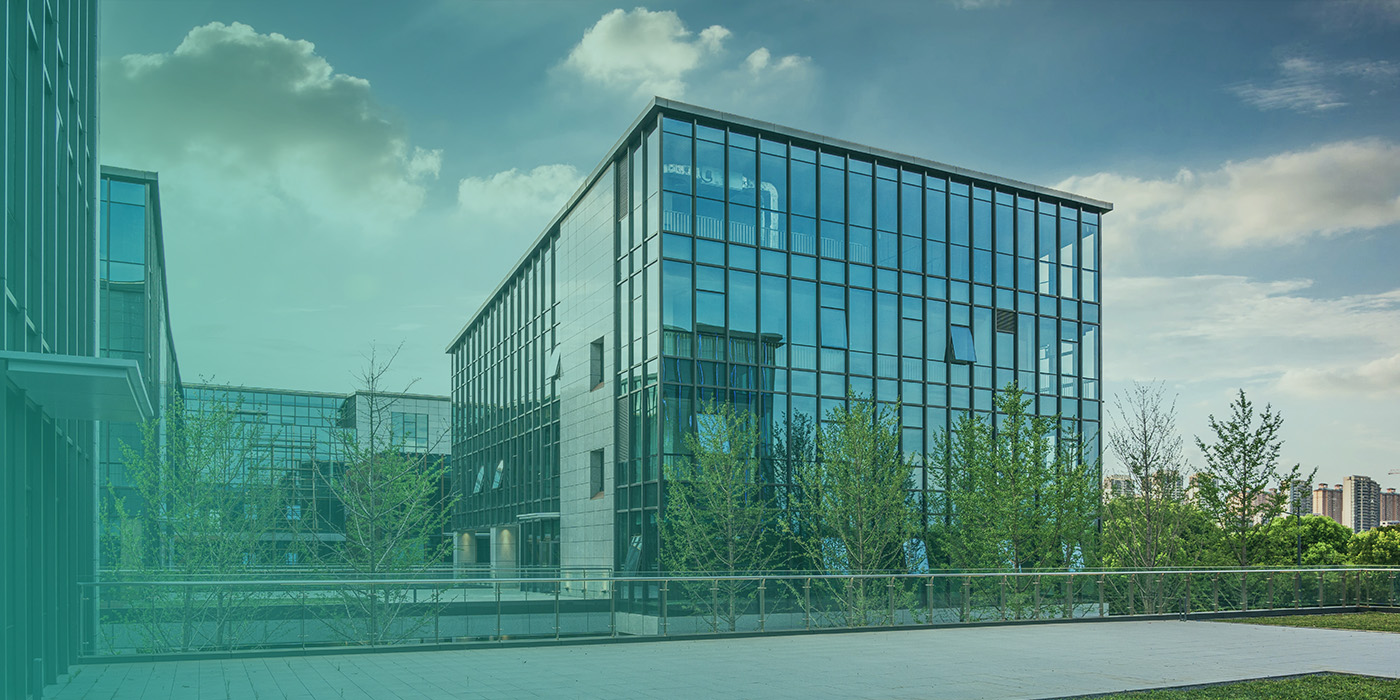
A contemporary office environment where BMS Optimisation helps sharpen energy efficiency, enhance indoor conditions, and reduce operational waste.
Balancing Comfort, Flexibility and Efficiency
Office buildings are among the most dynamic environments for BMS control. Occupancy fluctuates by the hour, meeting rooms create microclimates and comfort directly influences productivity.
Key characteristics:
• High occupancy during working hours, low overnight
• Varying internal loads from IT, lighting and meeting spaces
• Comfort and wellbeing drive occupant satisfaction
Common BMS challenges:
• Systems operating beyond occupancy hours
• Overlapping zones causing temperature conflicts
• Uncalibrated sensors generating hot and cold complaints
• Manual overrides left active indefinitely
Optimisation priorities:
• Align HVAC and lighting with real occupancy patterns
• Verify sensor accuracy and rebalance airflow between zones
• Integrate smart occupancy or CO2 sensors
• Introduce seasonal tuning for smooth transitions
Inteb insight:
A multi floor office in Manchester reduced HVAC energy by 19 percent after Inteb realigned schedules and recalibrated sensors.
Typical savings: 10 to 20 percent without capital upgrades.

A modern logistics hub where BMS Optimisation enhances operational efficiency, reduces energy waste, and maintains stable conditions for high volume activity.
Controlling Large Volumes Efficiently
Warehouses and distribution hubs involve huge internal volumes with variable occupancy and heavy reliance on ventilation and lighting.
Key characteristics:
• Vast storage and loading areas
• Extended or continuous operation
• High ventilation and lighting demand
Common challenges:
• Over ventilation of low use zones
• HVAC and roller shutters operating independently
• Hot air stratification in high spaces
• Lighting schedules not matching activity levels
Optimisation priorities:
• Zonal HVAC and lighting tied to occupancy data
• Destratification fans integrated with heating control
• Demand based ventilation using CO2 or door sensors
• Trend analysis to eliminate wasted run hours
Example:
A Midlands logistics client reduced gas consumption by 23 percent after Inteb introduced door sensor interlocks and destratification control.
Typical savings: 15 to 25 percent.

Industrial production spaces benefit from BMS Optimisation to manage energy loads, stabilise conditions, and support efficient, reliable manufacturing processes.
Aligning Process Load with Building Energy
Manufacturing sites combine comfort needs with process driven heat gains, strict operating hours and heavy plant use.
Key characteristics:
• High internal heat from machinery
• Heavy mechanical plant integrated with production
• Defined shift patterns
Common challenges:
• Conflicts between process and comfort control
• Poor integration between BMS and process systems
• Limited breakdown of energy use by zone
• Overrides bypassing safety interlocks
Optimisation priorities:
• Integrate BMS with process PLCs
• Submeter zones to distinguish building and production loads
• Automate ventilation based on real activity
• Review shift aligned control strategies
Inteb insight:
A plastics manufacturer cut total energy by 28 percent after integrating its process PLC with the BMS.
Typical savings: 10 to 30 percent.

Science parks and lab environments rely on BMS Optimisation to maintain stable conditions, protect research integrity, and manage high energy demands.
Balancing Precision and Efficiency
Laboratories and research facilities rely on strict conditions, continuous operation and high servicing levels.
Key characteristics:
• Intensive air handling and extraction
• Continuous operation in critical areas
• Sensitive equipment and processes
Common challenges:
• Over specified ventilation
• Sensor drift in temperature or humidity
• Efficiency sacrificed for compliance
Optimisation priorities:
• Zone by zone airflow control based on occupancy or hazard
• VAV or demand based ventilation
• Sensor calibration programmes
• Sequencing to prioritise efficient plant
Example:
Inteb reduced HVAC run hours by 22 percent at a UK science park by recalibrating humidity sensors and introducing variable speed control.
Typical savings: 10 to 20 percent.

Healthcare facilities rely on BMS Optimisation to maintain strict environmental standards, safeguard patient wellbeing, and manage complex building services efficiently.
Balancing Efficiency, Safety and Patient Comfort
Hospitals are among the most complex buildings to control. Comfort, infection control and operational resilience must coexist.
Key characteristics:
• Twenty four hour operation across varied spaces
• Strict environmental and hygiene requirements
• Diverse clinical and non clinical zones
Common challenges:
• Systems left in manual mode after maintenance
• Conflicting setpoints between departments
• Fragmented legacy systems
• Poor documentation and validation
Optimisation priorities:
• Continuous commissioning
• Integration with asset and energy platforms
• Zone level environmental validation
• Efficient sequencing of boilers, chillers and AHUs
Inteb insight:
A major hospital in the North West reduced energy by 12 percent through recommissioning and sequencing optimisation.
Typical savings: 5 to 15 percent.
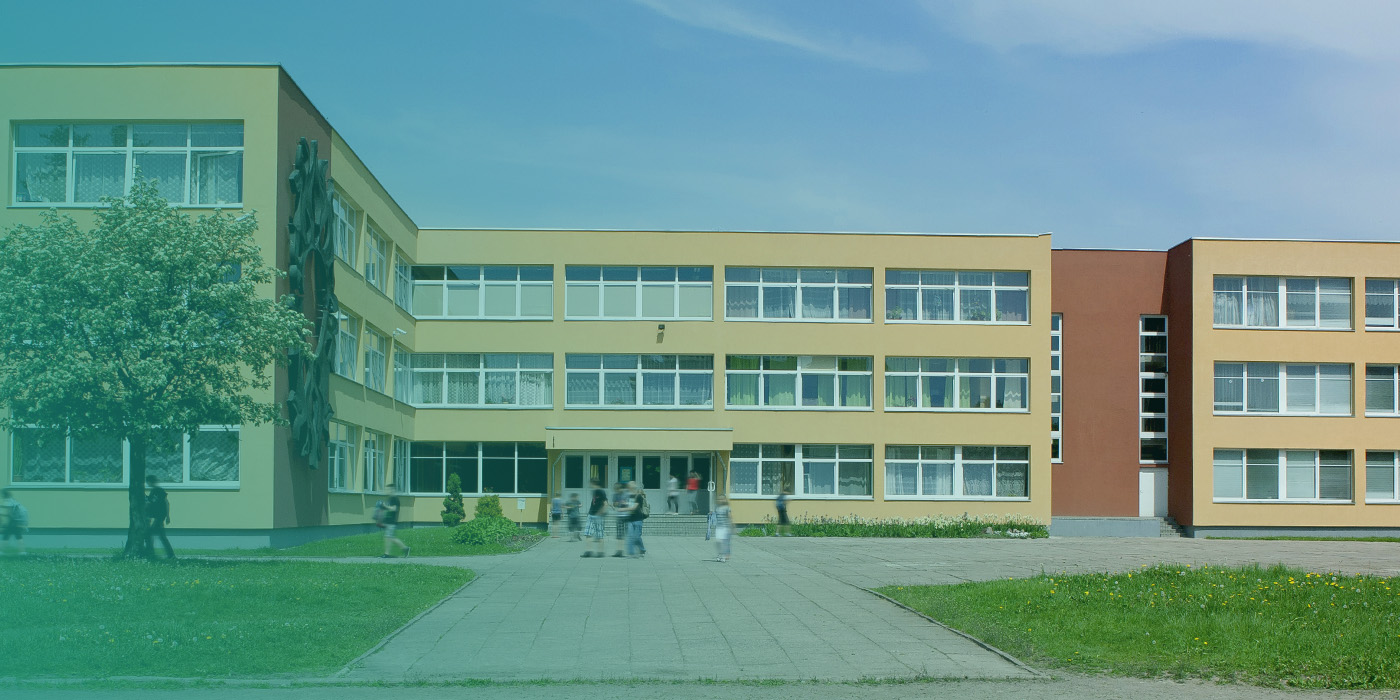
Schools and public buildings benefit from BMS Optimisation to improve indoor environments, reduce operating costs, and create healthier, more efficient spaces for students and staff.
Managing Intermittent Use
Schools, colleges and public buildings experience highly variable occupancy and mixed uses.
Key characteristics:
• Peaks during term time
• Varied room types
• Frequent comfort complaints
Common challenges:
• Plant operating during unoccupied periods
• Lack of linkage between timetables and controls
• Drifting sensors and unknown setpoints
Optimisation priorities:
• Dynamic scheduling linked to timetables
• Seasonal recommissioning
• Governance around manual overrides
Example:
Inteb helped a university cut energy by 21 percent with smart scheduling tied to academic calendars.
Typical savings: 10 to 25 percent.

Have more questions about BMS Optimisation? Our team and digital assistant are ready to guide you through the steps that improve comfort, efficiency, and control.
The Inteb Approach: Adapting Control to Purpose
Although each building type presents different challenges, Inteb’s methodology remains consistent:
This structured approach ensures the BMS reflects how the building actually operates.
Final Thoughts
Every building evolves through tenant changes, refurbishments and shifting operational needs. Without regular optimisation, the BMS drifts away from the conditions it was meant to control.
Whether you manage offices, warehouses, hospitals or research environments, the principle remains the same.
The closer your BMS aligns with real use, the better your energy performance, comfort and compliance.
Inteb helps organisations unlock this potential through targeted optimisation, recommissioning and data led insight. From individual site audits to multi portfolio reviews, our engineers ensure your BMS delivers on its promise every day.
Talk to our team
Smart buildings start with smarter control.

View
View

View

View

View

View

