



 Share
Share
11 Jun 2026
In a single tenant building, site works can be difficult but contained. There is one occupier, one set of priorities and one programme to manage. In a multi-tenant building, the same job becomes something else entirely. Every meter move, supply alteration, reconnection or infrastructure upgrade now touches several parties at once, and the cost of getting it wrong is rarely limited to the job itself.
For property managers, asset managers and facilities managers, this is the part of site works that does not appear on a quotation. It sits in the disruption, the disputes and the delays that follow when a job is treated as a simple technical task rather than a coordinated programme. Understanding where that hidden cost comes from is the first step to avoiding it.
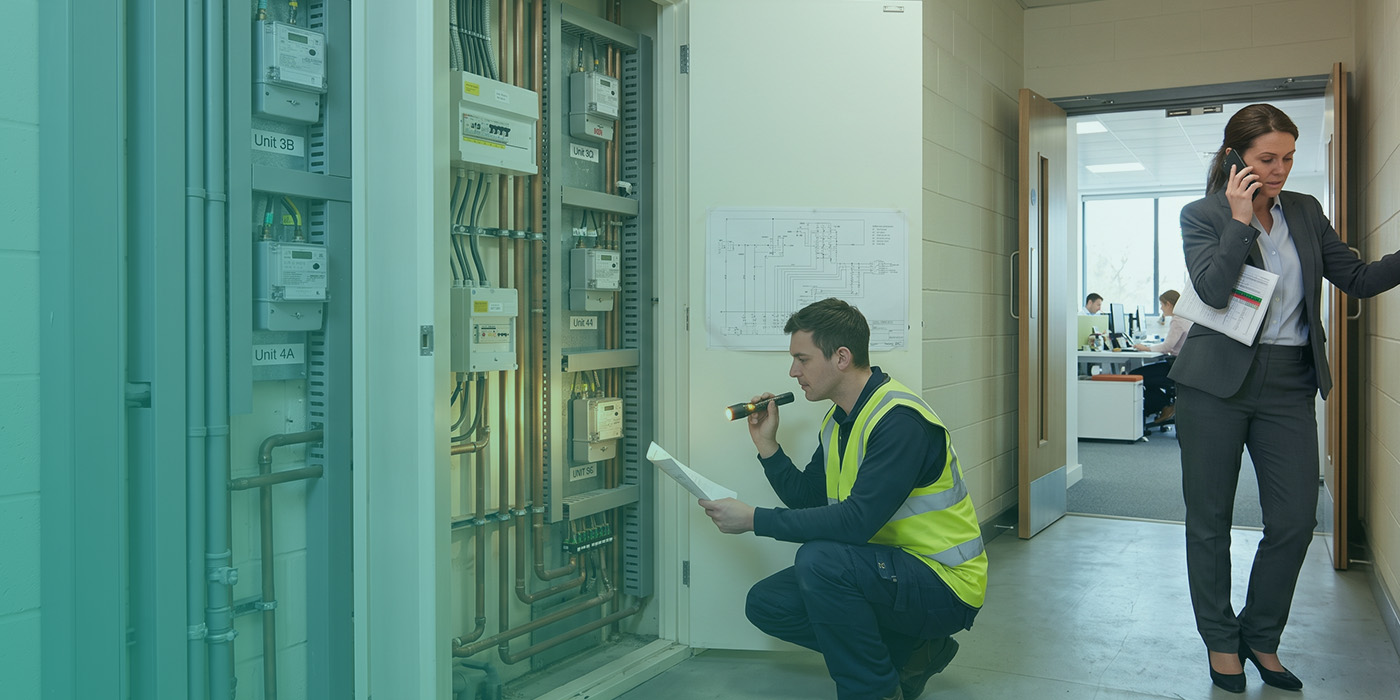
Site works in a multi-occupied building demand precision at every stage: the right engineer, the right drawings, the right metering cabinet and the right coordination with the building manager to ensure nothing happens to one tenant’s supply that the others have not been warned about.
What site works actually involves
Site works covers the physical and administrative activity that keeps a building connected and compliant. In commercial property this typically includes new supply connections, meter installations and removals, disconnections and reconnections, supply capacity changes, sub metering, and the infrastructure that supports electric vehicle charging, solar and wider energy upgrades.
None of these tasks happen in isolation. Each one usually depends on a network operator, one or more energy suppliers, an accredited installer and safe access to live parts of the building. The work on site is often the quickest element. The coordination around it is where time and money are won or lost.
Why multi-occupied buildings raise the stakes
A multi-tenant building multiplies every dependency. A reconnection that affects a shared riser can interrupt several occupiers. A metering change in one unit can expose errors in how the whole building is measured and billed. A planned upgrade can clash with a tenant fit out happening on the floor above. Works can also be cancelled at the last minute for a variety of reasons, potentially incurring abortive costs.
The people managing these buildings are rarely the ones holding a spanner. They are balancing leases, service charge budgets, occupier relationships and their own reporting lines. When site works goes wrong, it lands on their desk as a tenant complaint, a billing query or an unexpected cost, long after the technical work has finished.

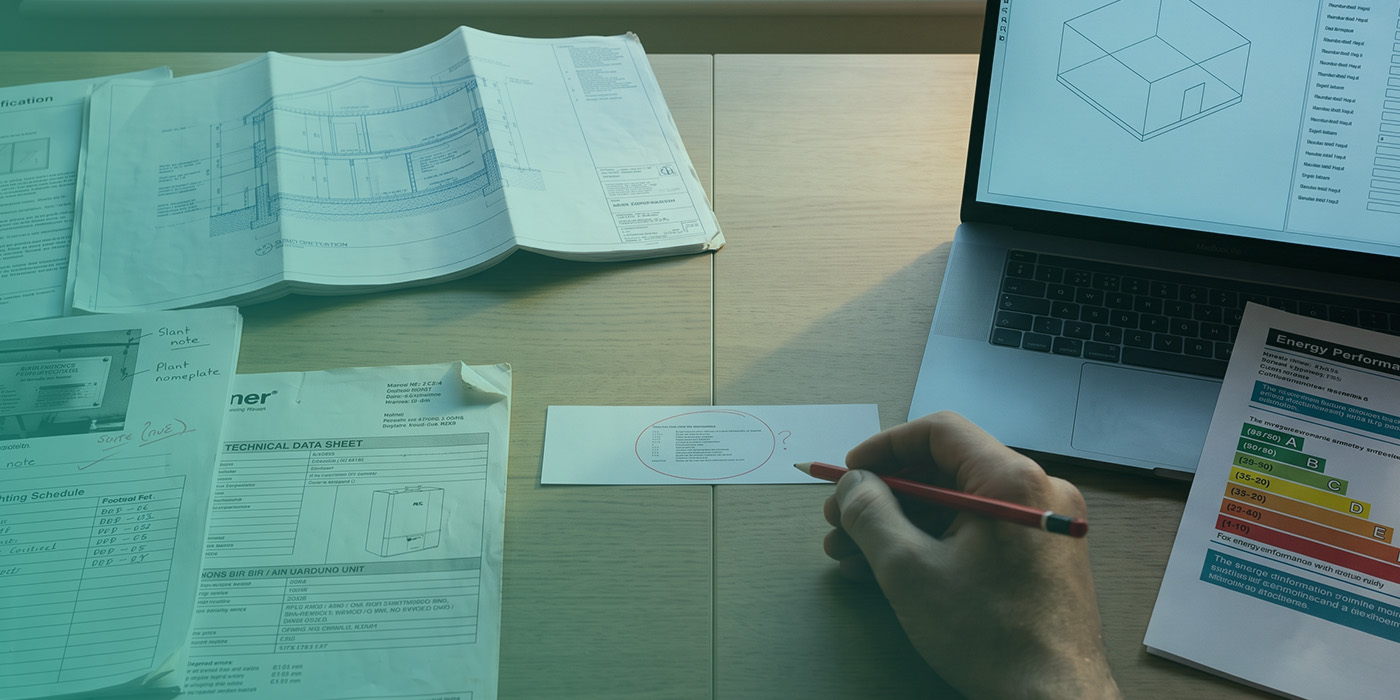
The hidden cost of getting site works wrong reveals itself here: delayed fit-out programmes, standing charges accumulating on circled invoices and a kVA load assessment that should have been resolved weeks ago, all landing on the desk of the person responsible for making it right.
Where the hidden cost comes from
The real cost of utilities connections rarely sits in the physical works themselves. It sits in the assumptions, the timing and the lack of clarity at the start. Poor early understanding of electricity, gas and water demand often leads to incorrect capacity assumptions. In particular, kVA miscalculations and incorrect supply capacity design can result in systems being undersized or significantly over specified. This leads to redesign, reinforcement works or costly late stage changes once projects are already underway. Utility constraints and network reinforcement requirements can create significant programme disruption.
The biggest commercial impact is often delayed tenant occupation. In some cases the delays are not minor. They can extend by months rather than days or weeks. This directly impacts:
Even after completion, hidden costs continue:
These issues often persist for years without active review or validation. In most cases the root cause is not delivery failure, but unclear briefs, poor load assessment and a lack of coordination at the outset. The reality is that the cost of utilities is rarely the connection itself. It is the impact on time, income and certainty.
In almost every case, this is not a failure of the physical work. It is a failure of planning, coordination and ownership. By engaging a specialist from the outset and being clear about the objectives, much of it can be avoided.

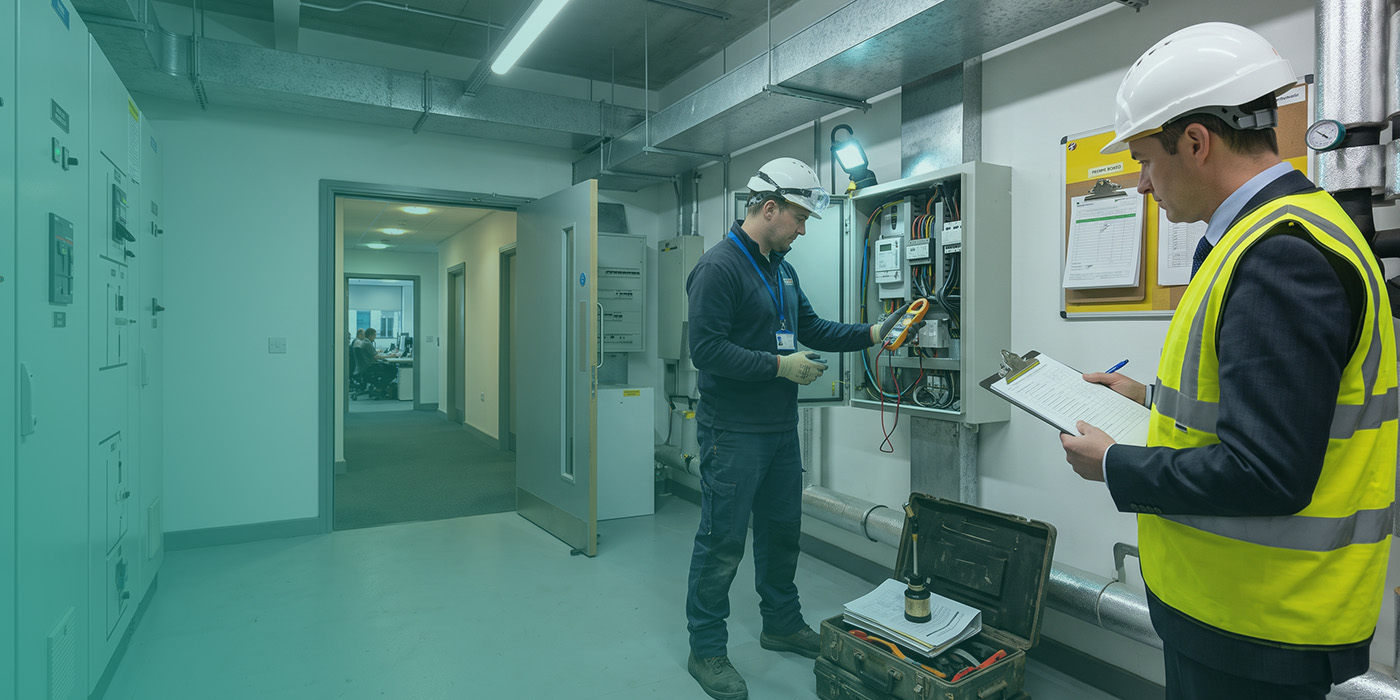
De-risking utility site works starts well before anyone sets foot on site: load assessment, MPAN scheduling, DNO application tracking and programme timeline alignment all resolved at the table, not discovered at the cabinet.
How to de-risk utility site works
The buildings that avoid hidden utility costs treat site works as a managed process rather than a series of disconnected tasks. Whether it is a new tenant moving in, a meter exchange, a supply upgrade, a landlord to tenant transfer, or the isolation of a vacant unit, the same principle applies. The earlier the process is managed, the lower the risk of delays, errors and unnecessary costs.
A few practical steps can make a significant difference:
![A property manager on the phone with a concerned expression, reviewing a Utility Invoice for a vacant unit showing accumulated standing charges totalling £745, an Energy Supplier notice of pending disconnection, and a handwritten note reading "Unit [ID] stripped out month ago, supply assumed removed," with a Vacant Units management dashboard visible on a desktop monitor showing multiple amber-flagged entries including one marked "Flagged: Automated Check Late"](https://weareinteb.co.uk/wp-content/uploads/2026/06/Common-examples-of-hidden-costs.jpg)
The hidden costs of poor utility site works coordination rarely announce themselves cleanly: they arrive as unexpected invoices, disconnection notices and handwritten notes explaining that a supply everyone assumed had been removed is still running and still billing.
A property manager provides incorrect meter or address details when arranging a tenancy change. The account is opened against the wrong supply, resulting in billing disputes, delayed occupation and weeks of administration to resolve the issue.
A retail unit is stripped out and its electricity supply isolated internally. Everyone assumes the supply has been removed, but the meter remains registered and the supply remains live within industry systems. Several months later, standing charges have accumulated against an empty unit that has consumed no energy at all.
The reality is that most utility related problems are not caused by complex engineering. They are caused by inaccurate information, poor communication and a lack of ownership of the process. Getting the basics right early, through good planning, accurate data and proactive communication between all stakeholders, can save significant time, cost and disruption later.

Inteb sits at the centre of the coordination matrix: managing the supplier, DNO, infrastructure provider, property manager and tenant workstreams simultaneously so that nothing falls through the gap between parties and no task is left marked “in progress” when it should be complete.
Where Inteb fits in
At Inteb, we help clients remove the uncertainty from utility site works. Acting as a single point of coordination, we work with property managers, landlords, occupiers, suppliers, metering providers and Distribution Network Operators (DNOs) to ensure utility processes are delivered efficiently, with accurate data and minimal disruption.
Our role often starts long before any physical change takes place. We help clients:
Most utility issues are not caused by complex engineering problems. They arise because information is incomplete, data is not properly commissioned, responsibilities are unclear, or communication breaks down between multiple parties.
By providing independent oversight and proactive management, Inteb helps clients avoid delays, reduce administrative burden, minimise utility cost leakage and ensure that buildings are ready for occupation when they need to be. The result is greater certainty, better outcomes and fewer surprises.

View
View

View

View
View

View

