




 Share
Share
22 Jun 2026
As commercial sites transition from gas-fired systems to electric heating, hot water, and heat pumps, existing gas supplies are being made redundant. Catering and process loads are being electrified. In each case the building ends up with a gas supply it no longer uses, and that is where a quiet and avoidable problem begins.
Many building managers treat the physical removal of a gas asset as the end of the matter. The plant is gone, the pipework is capped, the meter has been lifted off the wall, so the supply must surely be closed. It is not. A gas supply does not exist only as a meter on a wall. It exists as a record. It sits with the supplier, with the meter asset records, and on the national industry databases that govern how gas is shipped, transported and billed. If those records are not explicitly updated, the supply stays live on paper even when nothing remains on site.
What ‘live on paper’ actually means
Every gas supply point is identified by a Meter Point Reference Number, or MPRN. The MPRN is the anchor for everything downstream: the registered supplier, the shipper, the gas transporter and the meter asset provider. Removing the physical meter does nothing to those relationships. The MPRN remains, the registration remains, and the standing charges keep accruing against it.
This is the crux of the issue. De-registration is an administrative process, not a physical one. Until the supplier is instructed to close the account, the meter is formally de-energised and removed from the records, and the gas transporter and shipper arrangements are unwound, the building is still treated as a live consumer of gas. The fact that consumption has fallen to zero does not close anything. Standing charges are levied on the supply point, not on the volume used.
| The records that keep a redundant supply alive
MPRN registration. Supplier account. Shipper and gas transporter arrangements. Meter asset records. None of these are closed by removing the meter. Each has to be unwound in the right order. |

What goes wrong on site rarely stays on site: a meter removed in Week 1 with no supplier notification becomes a dispute log, an accumulated invoice and an amber flag on the portfolio billing dashboard by the time someone picks up the phone to resolve it.
What goes wrong on site
The most common failure is sequencing. During decarbonisation or refurbishment works, a contractor pulls the gas meter to clear the area or to make the plant room safe. That is a sensible thing to do on site. The problem is that it often happens without anyone notifying the supplier or the meter asset provider. The result is a building with no physical meter but a live billing record. The landlord is now paying standing charges for a supply that cannot be read, cannot be queried easily, and serves nothing.
We see the same pattern repeatedly. A meter is removed in week one of a programme. The standing charges continue month after month. Nobody notices until a reconciliation or a portfolio review surfaces the cost, sometimes a year or more later. By then the original contractor has demobilised, the site records are incomplete, and the supplier has no instruction on file to act on. Unwinding it becomes a documentation exercise rather than a simple closure.
The consequences
Two costs tend to follow, and both are avoidable.
There is a third cost that is easy to miss. When the supply is finally closed in arrears, there can be abortive charges for visits and work that would not have been needed had the disconnection been managed properly the first time. Doing it twice always costs more than doing it once.

End-to-end de-registration done properly concludes with four words on the Final Reconciliation: closing balance zero, standing charges zero, account status closed. Everything between the physical disconnection and that confirmation is the process that prevents the disputes, the accumulated invoices and the portfolio billing anomalies shown elsewhere in this series.
Doing it properly: end to end de-registration
A redundant gas supply should be retired in a deliberate sequence, with the physical works and the national data records kept in step. That means agreeing the disconnection date, instructing the supplier to close the account, arranging a formal de-energisation and meter removal through the correct meter asset route, and confirming that the MPRN, shipper and transporter arrangements are unwound. When physical removal and record closure align, no standing charges are left running and there is nothing to reconcile later.
The order matters. A meter removed before the supplier is instructed creates the live-record problem described above. A record closed before the site is made safe creates a different one. The work is not technically difficult, but it requires coordination across parties who do not naturally talk to each other: the supplier, the meter operator, the gas transporter and the contractors on site. That coordination is the job.
A redundant supply is not always obvious
Part of the difficulty is that a redundant gas supply does not announce itself. On a large site mid-refurbishment, the gas intake is one of many services being worked around, and the team installing new electric plant has little reason to think about a supply that is being switched off anyway. The standing charge for it is a small line on a large invoice. It is the kind of cost that hides in plain sight, which is why redundant supplies so often survive a programme and carry on billing afterwards.
There is a record-keeping gap that makes it worse. When the works are signed off, attention is on what was installed, not on what was retired. Unless someone deliberately captures that the gas supply was made redundant and instructs its closure, nothing in the system triggers that closure. The supplier carries on as before, because from its point of view nothing has changed. A supply is only ever as closed as the instruction that closes it, and on a busy programme that instruction is the easiest thing to drop.
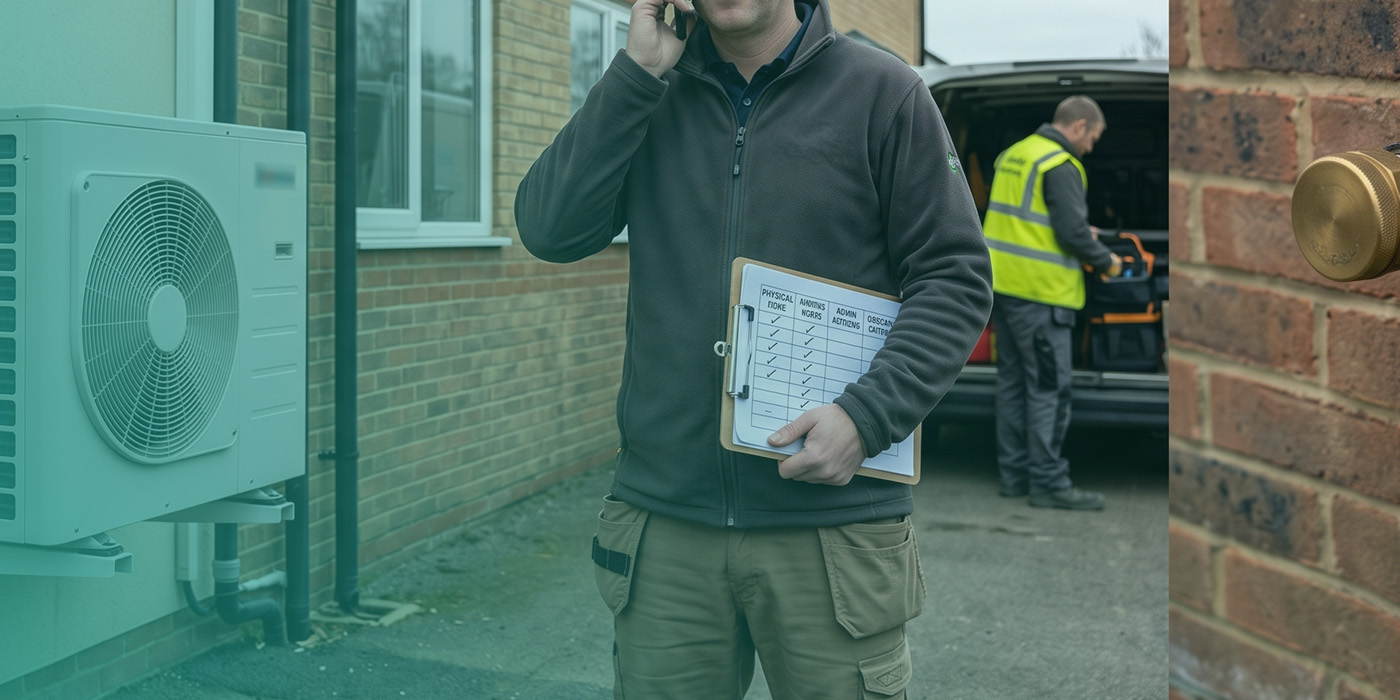
Inteb on site: a field operative coordinating the physical disconnection and administrative de-registration workstreams simultaneously, with the checklist in hand and a colleague preparing equipment, whilst the capped gas supply on the wall behind him confirms the building has already made the move to electrification.
How Inteb helps
We handle the end to end disconnection and formal de-registration process. We coordinate directly with suppliers, meter operators, gas transporters and the contractors on site so that the physical works and the national data registries align. The aim is simple: stop the charges before they start, rather than chase them back months later. Where a programme is already under way and a meter has been pulled without notice, we manage the closure and the reconciliation so the team can move on.
Before you electrify, ask three questions
→ Is there a redundant gas supply on this site, and what is its MPRN?
→ Has the supplier been instructed to close the account, or only the contractor told to remove the meter?
→ Are the physical works and the record closure sequenced so neither runs ahead of the other?
Electrification is the right direction of travel. The supplies it leaves behind just need closing properly. A capped pipe is not a closed account, and the difference is measured in standing charges nobody should be paying.
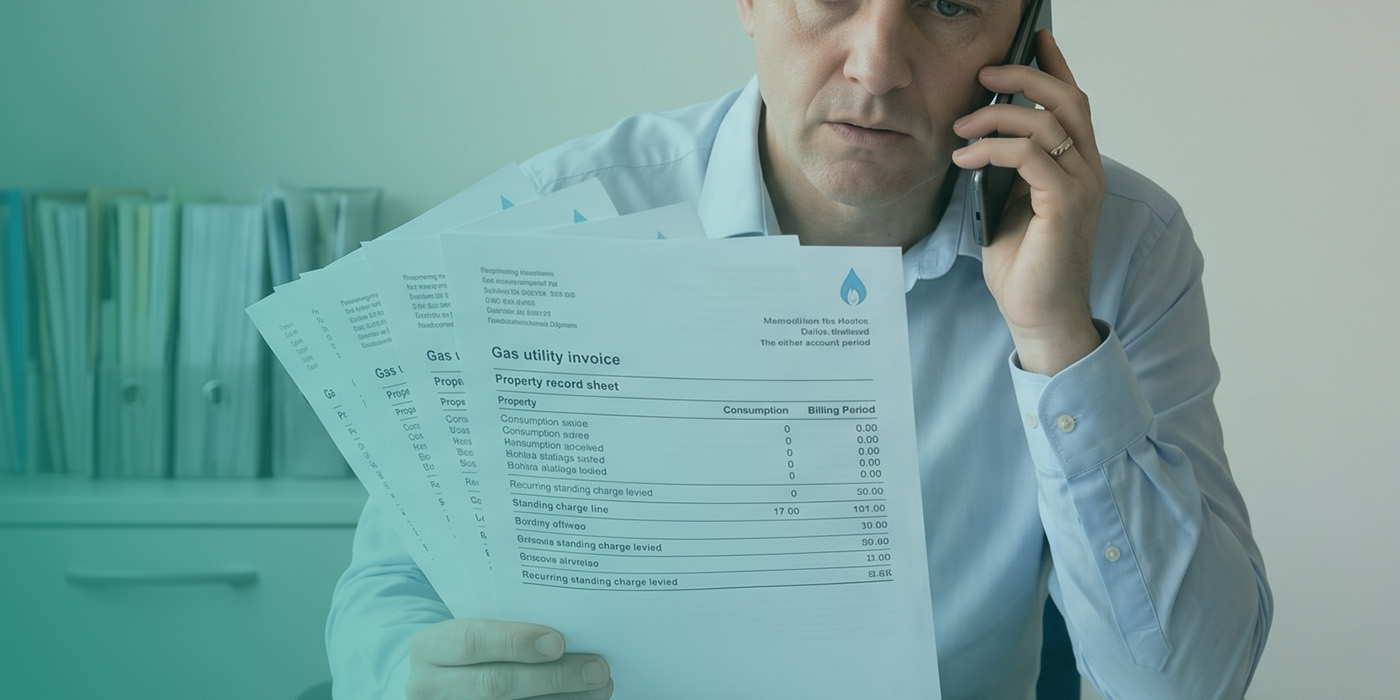
The question landlords and property managers ask most often is some version of this: why am I still being charged for a gas supply I no longer use, and what do I do about it?
FAQ
Does removing a gas meter stop the billing?
No. Removing the physical meter does not close the account. Billing runs against the supply point and its MPRN, so standing charges continue until the supplier formally closes the account and the supply is de-registered.
What is gas de-registration?
De-registration is the administrative process of closing a gas supply across the supplier account, the MPRN registration, and the shipper and transporter arrangements, so the supply is no longer treated as live.
Why do phantom standing charges happen after electrification?
They usually happen when a contractor removes the meter during works without the supplier being notified. The site has no meter, but the billing record stays live, so standing charges keep accruing until the account is closed.

View
View

View

View
View

View

